Avoiding condensation and mould
Maintaining a healthy living environment
This guidance note explains the measures you can take to control the moisture level in your accommodation, to avoid discomfort, condensation and mould growth and protect your health.
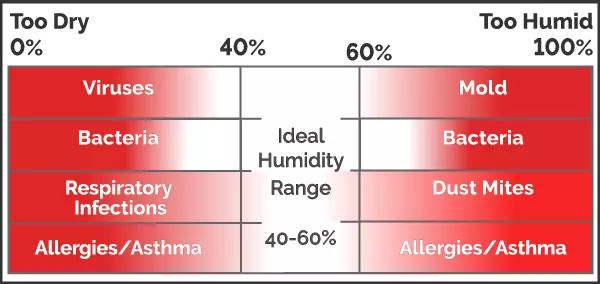
Managing the moisture generated through daily living activities is essential to healthy living. Excess moisture in the air can lead to discomfort, damp and mould, as well as health issues. Relative humidity is how we measure the amount of moisture in the air.
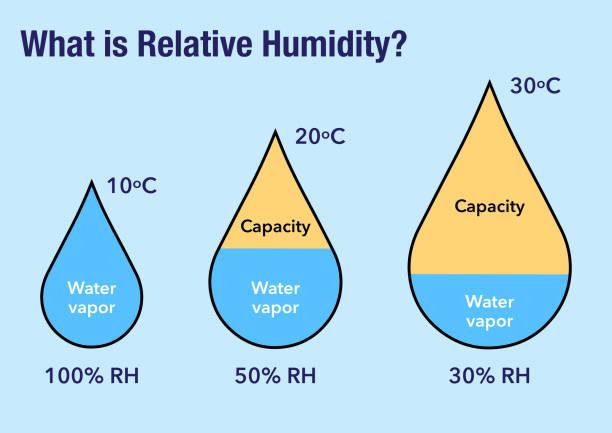
Relative humidity is the amount of water vapour in the air compared to the amount of water vapour that the air can hold, at a given temperature. Maintaining relative humidity between 40-60% is ideal. This will vary depending on the season and how you control moisture in your living space.
How to control humidity
Open windows for a few hours each day to allow fresh air to enter the space and replace any moisture laden air. This is a good way of controlling relative humidity and reducing carbon dioxide levels too. Windows should be opened whilst cooking to help purge the space.
Maintain a reasonable room temperature (20ºC) during colder months, to help maintain a healthy RH range of 40-60%. The heating system is controlled by an outside air temperature sensor and will automatically switch on and off when the external temperature falls below 15ºC.
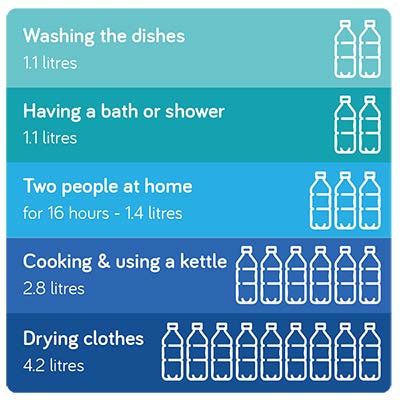
Dry your clothes in the laundry and not in bedrooms or flats. Drying clothes indoors will lead to high RH, especially in colder months and will result in damp.
Switch on fans and open windows during cooking to keep kitchens well ventilated. Cooking and washing dishes will generate steam and increase the moisture content in the air, leading to high RH.
Keep the door shut during and after using bathrooms or ensuite facilities. Check the fan is working and the steam is being removed. Filling a bath with cold water first, helps reduce steam generation. Allowing steam to enter the living space will lead to water vapour migrating to colder surfaces and condensing.
Regularly wipe down windows / windowsills where condensation has formed as mould will often form on wet surfaces.
Keep curtains open during the day and windows slightly open to allow trickle ventilation and help reduce the build-up of moisture.
Avoid using excessive water to mop floors as this will increase the humidity level as the water dries out. Always ring the mop thoroughly to remove excess water or follow-on with a dry mop. Ventilating the room whilst cleaning will replenish the air and help drying out.
If you discover any signs of mould or damp, please report these to the Estates dept, at: repairs@goodenough.ac.uk